The Peat Classic That Refuses to Behave Politely
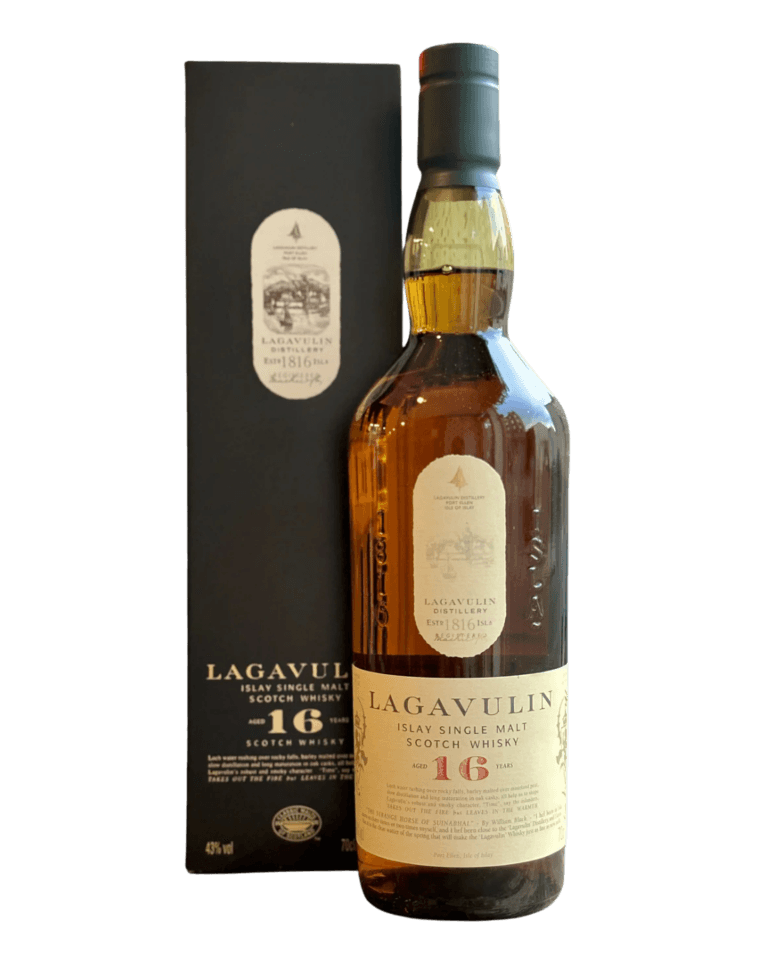
There are whiskies that whisper. There are whiskies that perform. And then there is Lagavulin 16, which simply sits in the corner, smokes something illegal-looking, and waits for you to approach it. For many, this is the gateway to serious peat. For others, it’s the benchmark by which all smoky whisky is judged. Sixteen years in oak, bottled at a traditional strength, and carrying decades of reputation on its shoulders. That reputation, however, earns no free points here.
Let’s see what remains when the mythology is stripped away.
Who Is This For?
Peat lovers who want structure rather than chaos.
Drinkers ready to move beyond sweet, easy malts.
Collectors who actually open their bottles.
Not ideal for smoke-averse beginners.
Overall Character
Deeply smoky, dry, maritime and composed. Less explosive than some Islay rivals, more architectural. Built on structure rather than volume.
Production Style
Lagavulin is known for slow distillation and long fermentation, contributing to a heavier, weightier spirit. Peated malt is sourced to a high phenol level typical of southern Islay. Matured predominantly in refill and rejuvenated American oak, with European oak influence contributing structure and dried fruit undertones.
Nose
Immediate peat smoke, dense but not sharp. Smouldering driftwood, iodine, sea spray. Underneath: dried figs, raisin, old leather, black tea. There’s a restrained sweetness, toffee and a hint of vanilla, but it never leads. The alcohol is well integrated at 43%, though the reduced strength slightly mutes aromatic lift. It feels mature, controlled, and slightly austere.
Palate
Medium-bodied, edging toward lean rather than creamy. The texture is firm, structured, slightly drying. Peat smoke arrives first, earthy, ashy, mineral. Then dark malt, espresso bitterness, salted caramel, dried fruit. Oak tannin builds steadily, adding grip and a faint woody bitterness. At 43% it is composed, but there is a sense that the structure could carry more weight. The dilution keeps it elegant, but it also trims intensity. It never feels thin, but it stops just short of powerful.
Finish
Long, dry, smoky. Ash, sea salt, black pepper, bitter chocolate. A late flicker of dark fruit returns, then fades into drying oak and coastal salinity. The smoke lingers confidently. The sweetness retreats early.
Strengths
Excellent structural cohesion
Integrated peat with maturity
Long, composed finish
Classic maritime identity
Limitations
43% slightly restrains aromatic and textural potential
Dryness may feel austere to some
Oak bitterness edges forward mid-palate
It is brilliant, but it would be even better at 46%.
Value & Use Case
A reference-point Islay for serious evenings. Best enjoyed neat, slowly, in quiet company or alone with something worth thinking about. At retail pricing, it remains justifiable. At inflated secondary pricing, it loses rational appeal quickly.
Similar Whiskies
Laphroaig 10 – Similar peat intensity. Advantage: Higher ABV punch. Disadvantage: Less mature polish.
Ardbeg 10 – Similar Islay smoke profile. Advantage: Brighter citrus lift. Disadvantage: Shorter finish complexity.
Talisker 18 – Similar maritime elegance. Advantage: Greater balance and subtlety. Disadvantage: Less smoky impact.
Final Verdict
Lagavulin 16 is not a peat monster. It is a peat statesman. It doesn’t try to overwhelm you. It simply demonstrates control, smoke disciplined by time and oak. The structure is excellent. The maturity is evident. The dilution slightly restrains what could have been transcendent.
Would I buy it again at retail? Yes.
Would I wish it were bottled stronger? Absolutely.
It remains a benchmark, not because it shouts, but because it endures.
Score
Nose 92 / 100
Palate 90 / 100
Finish 91 / 100
Balance 91 / 100
Overall 91 / 100